
Three Things to Do About AI Today (Plus Cats)
By: Sarah Pita
It was decades ago, in cat years, that generative AI tools like ChatGPT and Claude became widely available to the public.
The data suggests that at this point, the majority of nonprofit staff are using AI, at least a little bit. For example, a study by Virtuous from February of this year found that over 90% of nonprofits are using AI in some manner. Other recent surveys across different sectors have found AI usage at between 60% and 80%.
Many of the same studies find that most organizations still do not have AI use policies, or formal strategies for implementation. Virtuous found that a little over 50% had use policies. Namaste Data’s 2025 AI Equity Project (founded by friend of the newsletter Meena Das—hi Meena!) found that only 36% were implementing equity practices, while a very low 15% had use policies.
In pet adoption terms, this would be like adopting a kitten and then letting it run wild. Think a feline that is cute, but hasn’t gotten its shots, has not been spayed or neutered, and is prowling in the backyard massacring birds with reckless abandon.
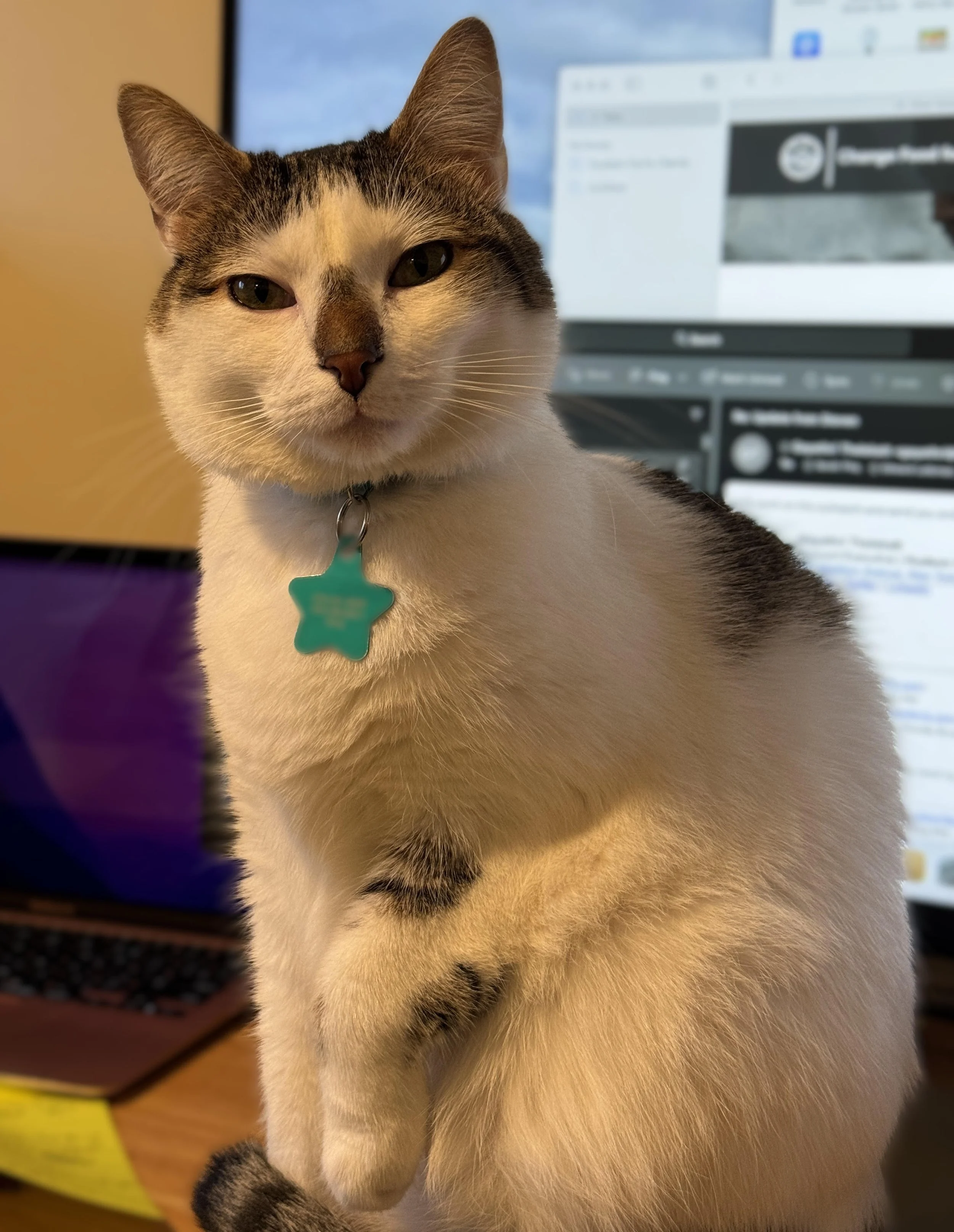
Copernicus recommends clear guidance on AI use
Like adopting a pet, adopting AI does come with some basic responsibilities. It is still a very young technology and a lot of us have not had a chance to learn what those responsibilities are, or the best way to discharge them. And AI is still evolving and we’re not entirely sure what its end state will be—or what it will be like to live with.
The point of this extended metaphor is, even if you don’t fully understand AI, there are still some things you should tend to when you invite it into your workplace. Even if you weren’t the one who opened the door, it’s here now.
Here are some things to do first:
Find out what your staff is already doing with AI. Get curious and start a safe conversation. You need to know of any areas of concern so that you can start to manage them. But make it clear that nobody is getting in trouble.
What are your “absolutely not” situations? If you have not identified and articulated what is out of bounds, how is your team supposed to know? In nonprofit work, the universal (seriously—can anybody think of an exception?) rule is not to expose sensitive data about the community you serve, or identifiable information about your donors, to a general LLM like ChatGPT or Claude. At least say that out loud to your staff. I beg you.
Other forbidden things might include connecting personal AI subscriptions to work systems, or generating images to use in your fundraising materials.There may be areas of your communications that you do not want touching AI. These need to be stated rather than assumed.
Start thinking seriously about tools. And this means thinking about what you’re willing to pay for. Enterprise-level tools are more secure than personal subscriptions and reduce the risk of security breaches from blended personal accounts. And team subscriptions will allow for collaborative learning and open up the possibility of real growth.
If you can’t afford to do this right away, give some serious thought to what is allowed with free or personal tools, and in what situations. And make sure that any personal tools have the privacy settings set to not train future models. Also identify which tools are not allowed.
And finally, if you’ve been avoiding AI yourself, it’s time to start. Pick a tool and get started with something simple. And don’t be quiet about it, this is a great way to start having those conversations on your team. If you can, invest in trainings.
Of course, in some ways the two situations have almost nothing in common. We love our pets, and the joy they bring has little to do with productivity. And yes, I know that AI is not alive, and I am not a proponent of loving AI. Still, I think there’s something in the fact that in pet adoption as in AI adoption, there are certain basic things you just have to do. If you don’t, it’ll go badly. But if you do, you may find some aspect of your life and your work transformed.
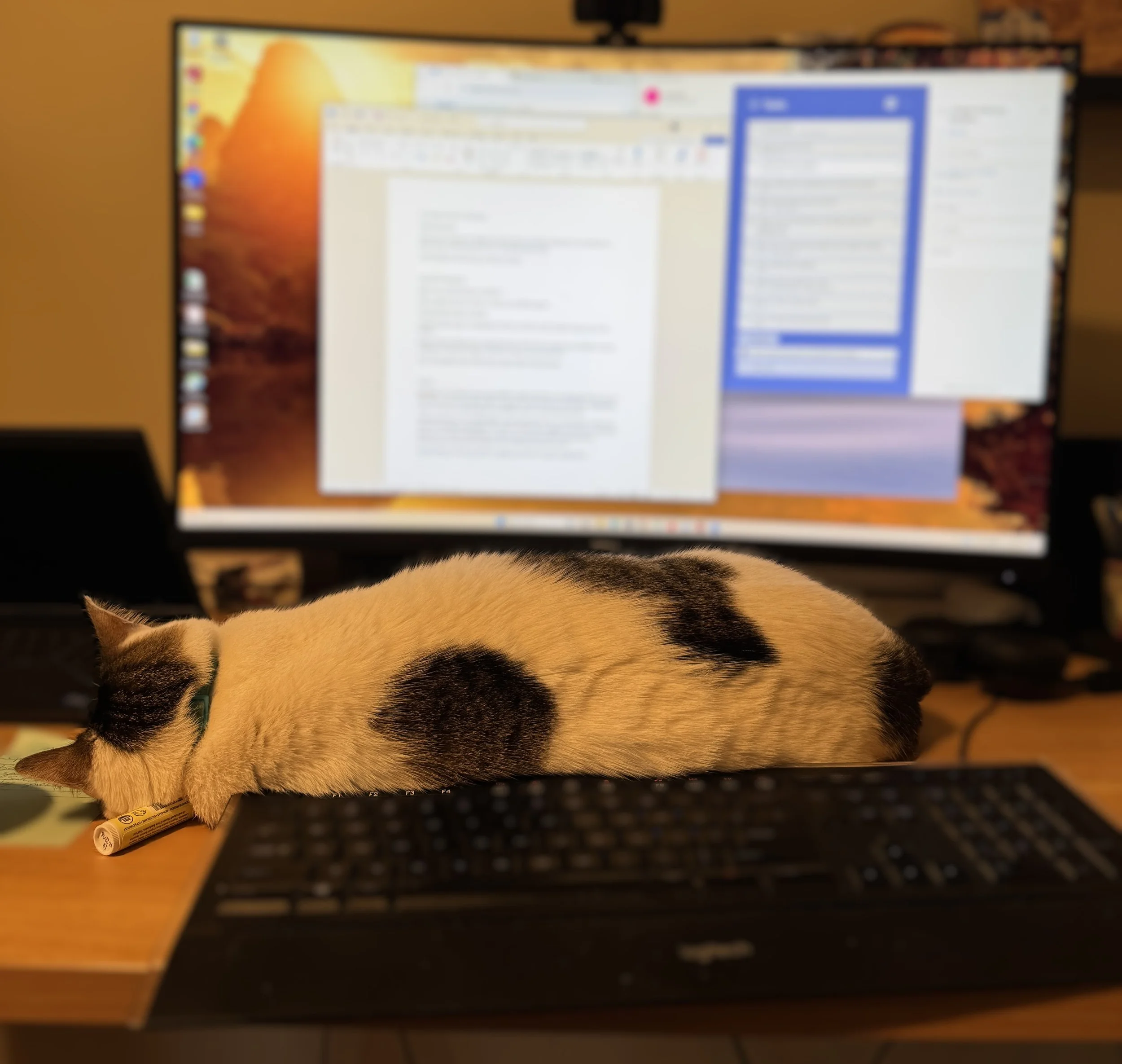
That conversation wore Copernicus out. It’s hard work being a metaphor!
About the Author:
Sarah Pita is a fundraising professional with 25+ years of experience and a dynamic speaker who makes AI approachable and immediately useful for nonprofit teams. She leads practical, engaging trainings and workshops on using AI for fundraising and has presented at groups such as Women In Development NYC and at the AFP GPC Leading Philanthropy conference, among others. Sarah is currently Director of Development at the Center for Independence of the Disabled, New York.
Interested in an AI workshop or training? Contact Sarah here.