
What is Predictive AI, and how can it help nonprofit fundraising?
By: Sarah Pita
What do you think of when you think of AI? Is it a tool like ChatGPT or Claude?
Many people’s AI journeys start with generative AI tools like these. They have free tiers anyone can access on the internet, and respond to prompts from whoever is using them. They’re trained on enormous amounts of language and work essentially by predicting what word will come next.
But that’s not what people mean when they talk about “predictive AI.” Predictive AI is a type of machine learning that predicts future behavior and events based on data about past behavior and events.
There are a couple of obvious ways predictive AI can help nonprofits.
One is by working with data about a nonprofit’s area of service, to help predict future needs. One well-known example, charity:water, monitors and uses AI to analyze data on the wells they build, predicting and responding to problems before they become a crisis; many nonprofits could use this type of data-based prediction to deliver services more efficiently, saving money and helping more people.
The other is in fundraising. Wealth alone is not the best or only predictor of generosity. Broader data about a donor’s philanthropy can give a better idea of what they are likely to be able to give. But consider all the other data we might integrate into our predictions of donor behavior. What appeals landed, what timing works, what language and values are most resonant? What patterns might we be missing, and how could that help us connect more deeply?
Predictive AI of this sort is not available through freestanding general purpose tools like ChatGPT or Claude, and you should absolutely not plug your donor or constituent records into one of those tools to look for patterns. Don’t even think about it! Your data should only touch AI within systems that have been designed for that purpose, and that you are already entrusting with your data.
Many donor management systems offer predictive capability, usually at a higher price. They can work with your data to identify patterns in donor giving behavior, and help you calibrate your behavior for maximum success in fundraising. Typically, you can expect detail about things like likelihood to give again, likelihood to upgrade, planned giving likelihood, and what lapsed donors are most likely to reactivate.
If you are happy with your CRM and want to try this, a good starting point is to reach out and ask what they are doing with predictive analytics. Bear in mind that while almost everyone is doing something with AI now, not all are using sophisticated analytics. Look for information about specific results users have achieved. Ask to speak with someone who has used this service to help you make your decision. And of course, do not be shy about asking about any instances where your data may leave the CRM, and how that security is handled. [In tandem with this process, you will want to think through your organization’s standards of transparency on using donor data with AI.]
Keep in mind that this type of predictive analysis will work better for you the better and the more historically deep your data is. If your records are relatively thin or shallow, predictive AI may be less immediately effective.
If you have limited information from a relatively small donor database, you don’t necessarily need to go straight to an expensive predictive analytics plan. You can still segment your donors, run retention reports, and look at improving your recordkeeping. As you engage with and analyze this information yourself, with your human brain, you will begin to see better results that you understand better—and you’ll be laying the groundwork to work with more complex tools down the road if you choose to.
On the other hand, if you have a deep reservoir of data to work with, be aware that AI’s facility with identifying and working with patterns and trends may embed and perpetuate bias. In service delivery, this could manifest as a history of exclusion and marginalization hardening into an ongoing reality; in fundraising, it could lead to the elevation of certain classes of donors and the exclusion of others. For example, if you have emphasized major gifts in the past, predictive AI could continue to channel you away from smaller donors. Unchecked, both ultimately hurt your community and your nonprofit.
You don’t have to embrace predictive AI right now to serve your community well or steward your donors better. But the tools will continue to proliferate. Even if you aren’t shopping for an AI-enabled CRM, today is a great day to give some thought to your data—how you gather it, how you think about it, how you use it. Building an intentional practice around this information will lay the groundwork for the day when you are ready to work with predictive AI.
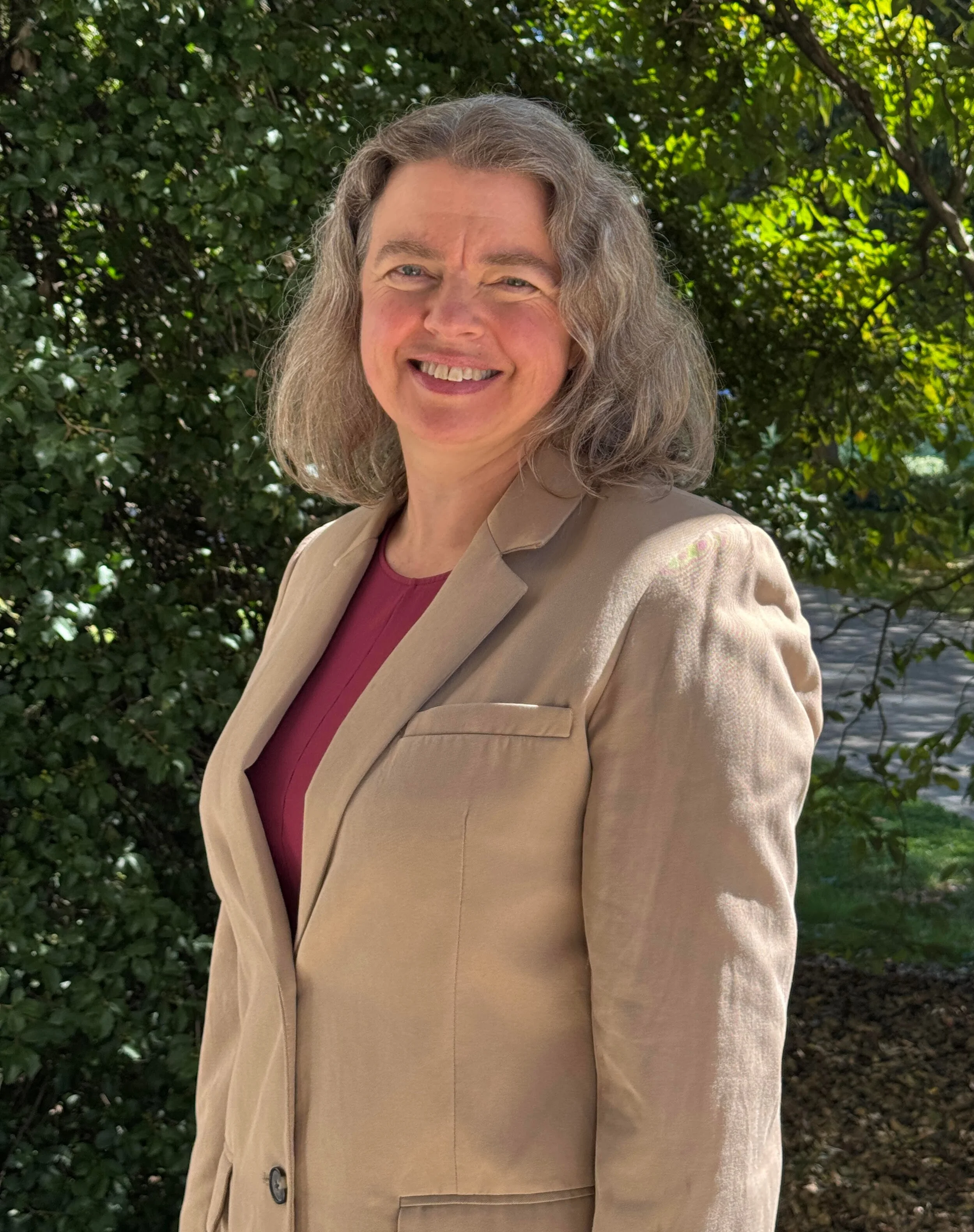
About the Author:
Sarah Pita is a fundraising professional with 25+ years of experience and a dynamic speaker who makes AI approachable and immediately useful for nonprofit teams. She leads practical, engaging trainings and workshops on using AI for fundraising and has presented at groups such as Women In Development NYC and at the AFP GPC Leading Philanthropy conference, among others. Sarah is currently Director of Development at the Center for Independence of the Disabled, New York.
Interested in an AI workshop or training? Contact Sarah here.